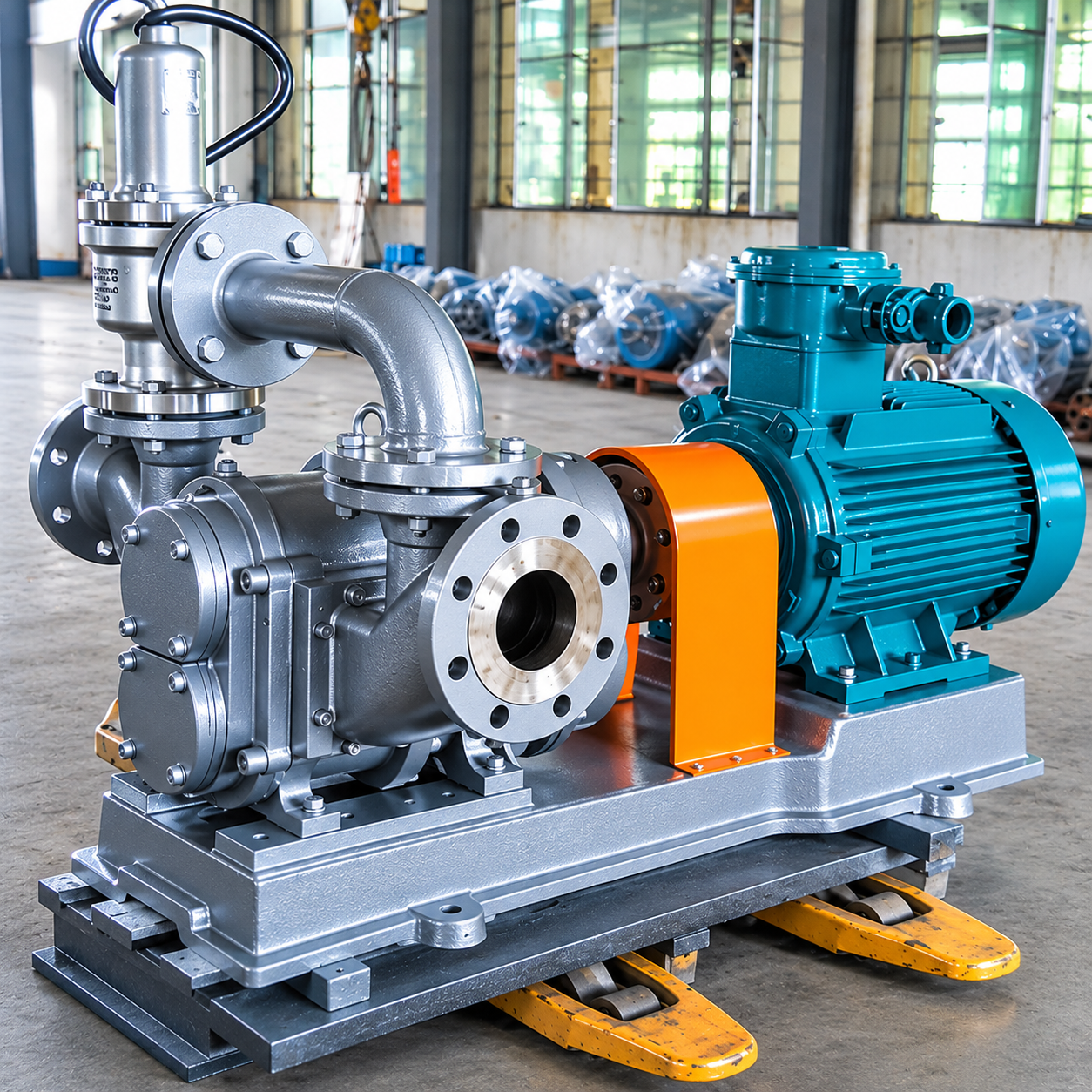
In industrial energy consumption, steam compressors are core equipment in many processes, but the large amount of waste heat generated during their operation is often discharged directly, resulting in significant energy waste. Optimizing the waste heat recovery system of steam compressors can not only substantially reduce operating costs but also serve as a key measure for enterprises to achieve green transformation and enhance competitiveness. This article provides an in-depth discussion of the core concepts and practical pathways for the optimized design of such systems.

Value and Potential of Waste Heat Recovery
During operation of a steam compressor, the compression process generates high-temperature discharge gas and lubricating oil cooling heat. This low-to-medium temperature waste heat typically ranges from 70°C to 150°C. Conventional handling dissipates this heat directly through the cooling system, whereas an efficient waste heat recovery system can convert this energy into a usable heat source for process heating, boiler feedwater preheating, space heating, or driving absorption chillers. According to industry case analyses, an optimized system can improve overall energy efficiency by 15%–30%, with a typical investment payback period of 1–3 years, delivering both economic and environmental benefits.
Key Elements of Optimized System Design
Optimized design must proceed from an overall perspective. The first step is to accurately evaluate the quality and quantity of waste heat. By installing heat flow meters and temperature sensors, real-time monitoring of compressor discharge temperature, flow rate, and enthalpy provides the basis for design.
Second, the selection and matching of heat exchange equipment are critical. In view of the waste heat characteristics of steam compressors, plate heat exchangers or high-efficiency shell-and-tube heat exchangers are often adopted, and their materials must be corrosion-resistant and anti-fouling. During design, attention should be paid to temperature difference matching to reduce irreversible heat transfer losses. For example, a cascade recovery approach can be adopted, using high-temperature and low-temperature waste heat separately for process stages with different requirements.
Furthermore, system integration and intelligent control are the core of optimization. The waste heat recovery system should be seamlessly integrated with the existing steam network, hot water system, or refrigeration system, and dynamic regulation should be achieved through PLC or DCS control systems. For example, when process heat demand changes, the valves and pump speeds of the waste heat recovery loop can be automatically adjusted to ensure on-demand heat allocation and avoid waste. The introduction of predictive maintenance algorithms can also prevent efficiency degradation caused by heat exchanger fouling.
Practical Case and Innovation Directions
A chemical plant carried out a waste heat recovery retrofit on its centrifugal steam compressor. The originally discharged 120°C exhaust waste heat, after optimized design, was used through newly added heat exchangers to preheat the feedstock for process reactors, while part of the heat drove a small absorption chiller to provide cooling for the control room. After the retrofit, the steam consumption of the production line was reduced by 22%, annual energy cost savings exceeded RMB 1 million, and carbon emissions were significantly reduced.
In the future, optimized design is moving toward deep integration and digitalization. IoT technology can be used to achieve real-time analysis and optimization of system energy efficiency, and heat pump technology can be combined to further raise the temperature of lower-grade waste heat and expand the scope of application. In addition, the application of new materials such as nano-coated heat exchange surfaces can effectively improve heat transfer efficiency and reduce maintenance requirements.
In conclusion, optimization of the waste heat recovery system for steam compressors is a refined systems engineering task. It requires designers to thoroughly understand process requirements, innovate in technology integration, and transform energy-saving potential into sustained benefits through intelligent control. For enterprises pursuing sustainable development, this is not only a technological upgrade but also a strategic investment.