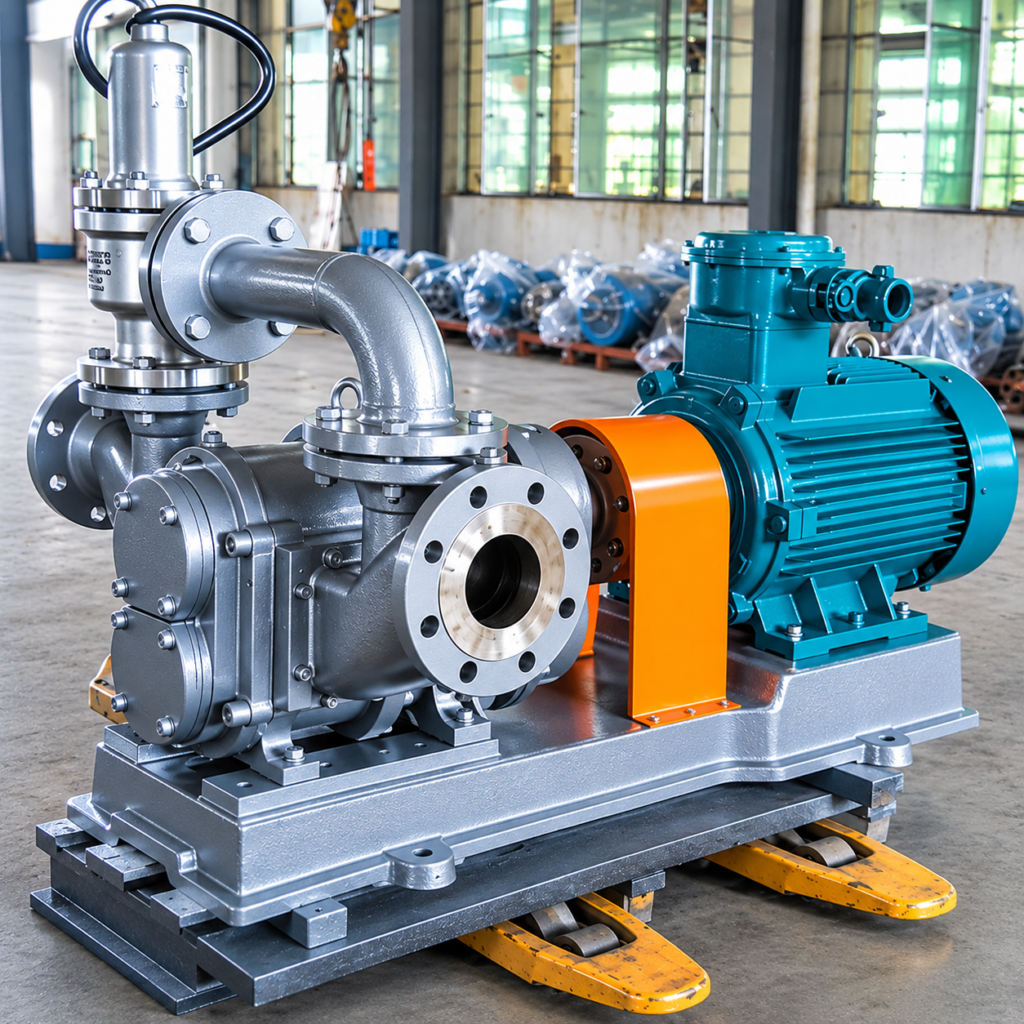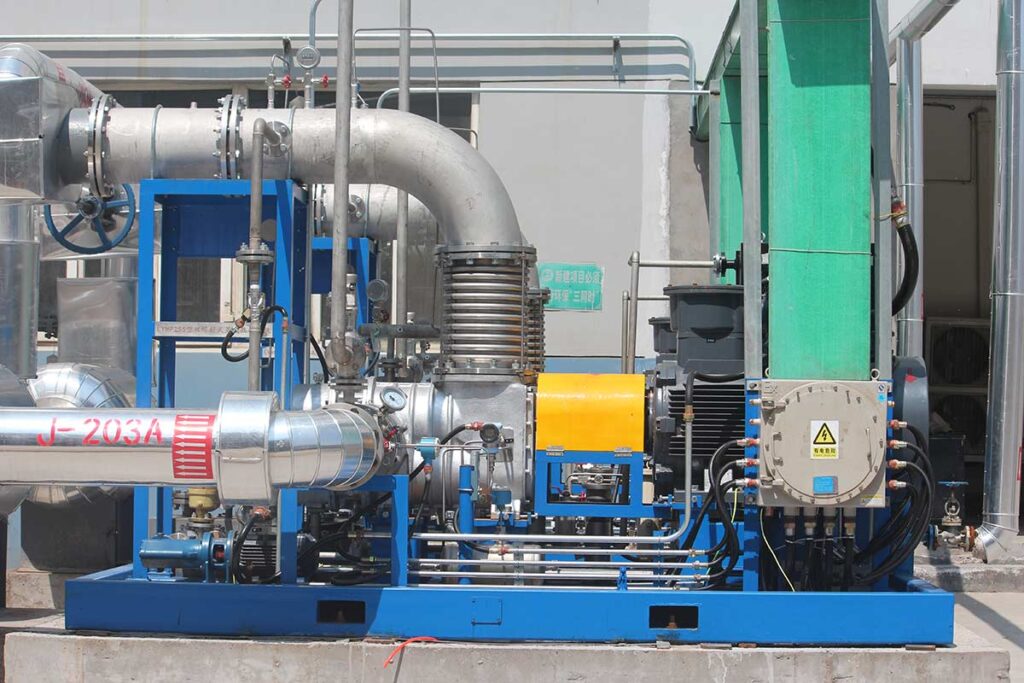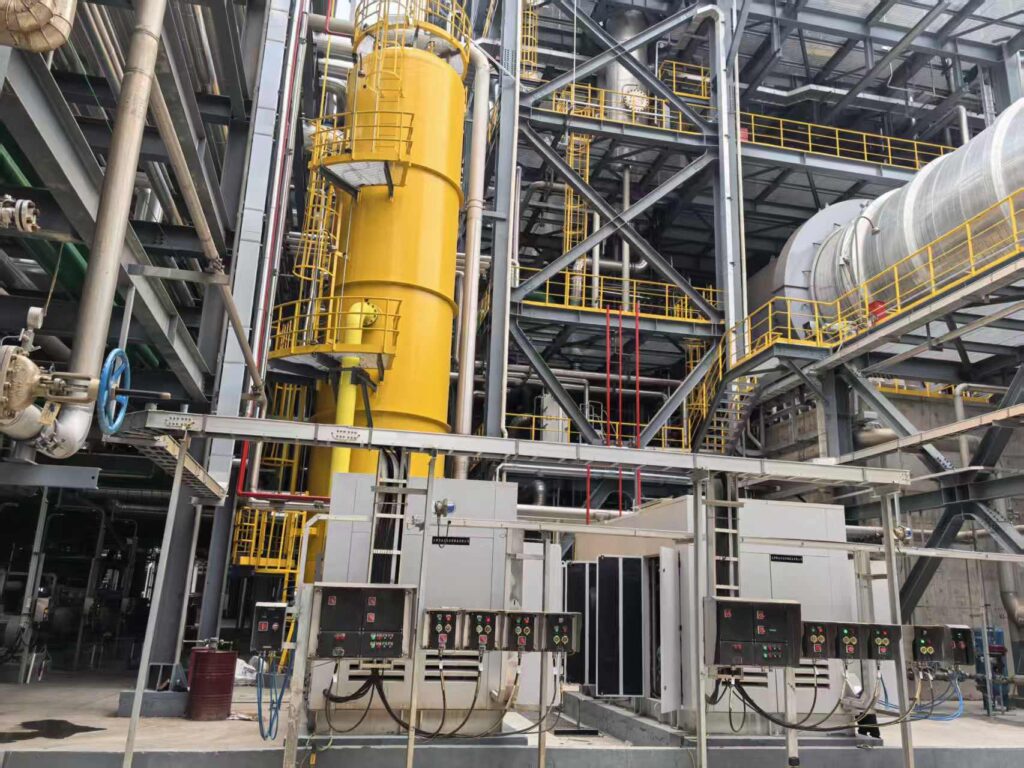
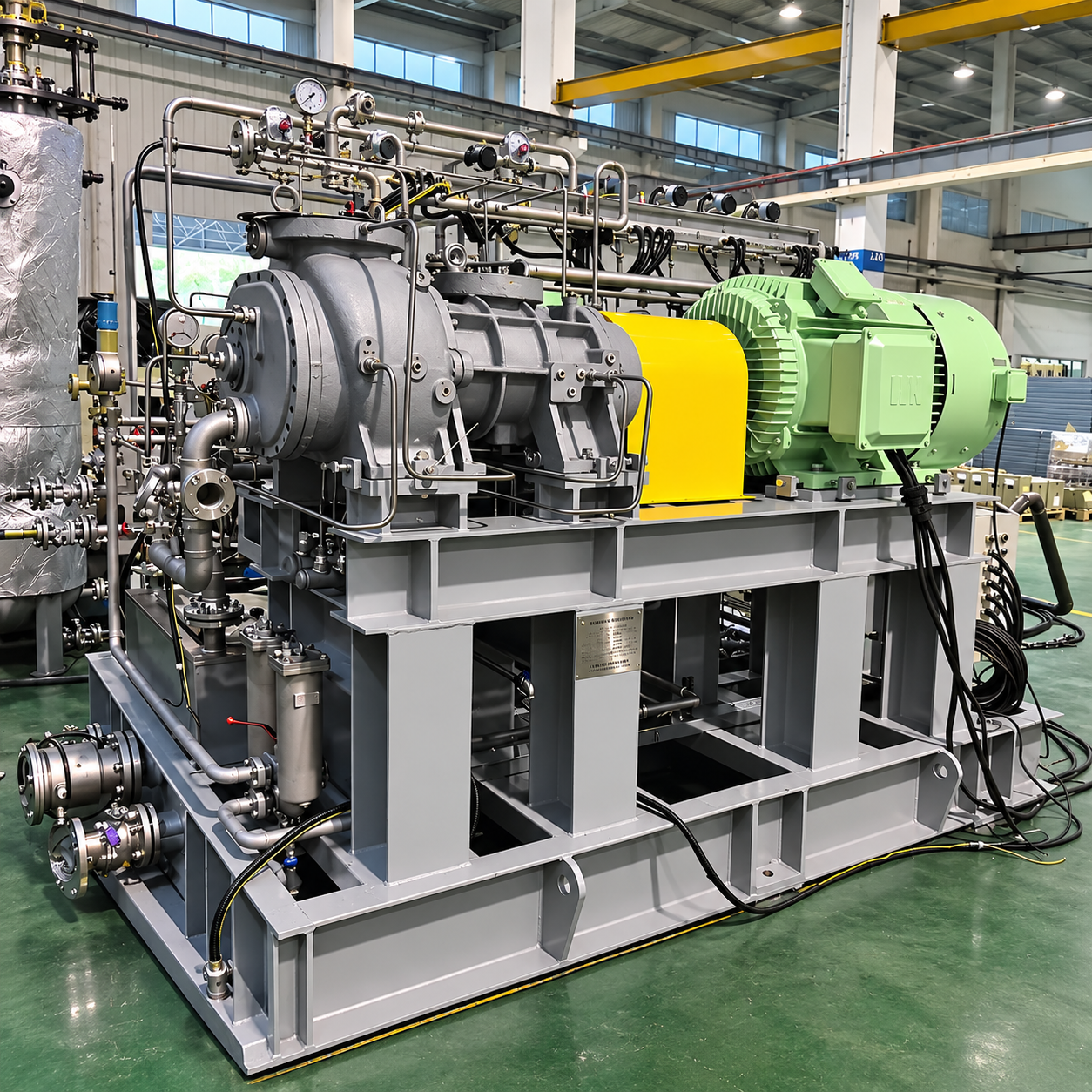
With increasingly stringent environmental requirements, the control of volatile organic compounds (VOCs) has become an unavoidable issue in the industrial sector. Conventional treatment methods often face the challenge of balancing efficiency and cost, whereas an innovative technology—dry oil-free twin-screw process gas compression—is bringing breakthrough solutions to VOCs control through its unique advantages. It not only improves recovery efficiency but also achieves significant optimization in safety and operating costs, making it a key element of green production.
Technical Principle and Core Advantages
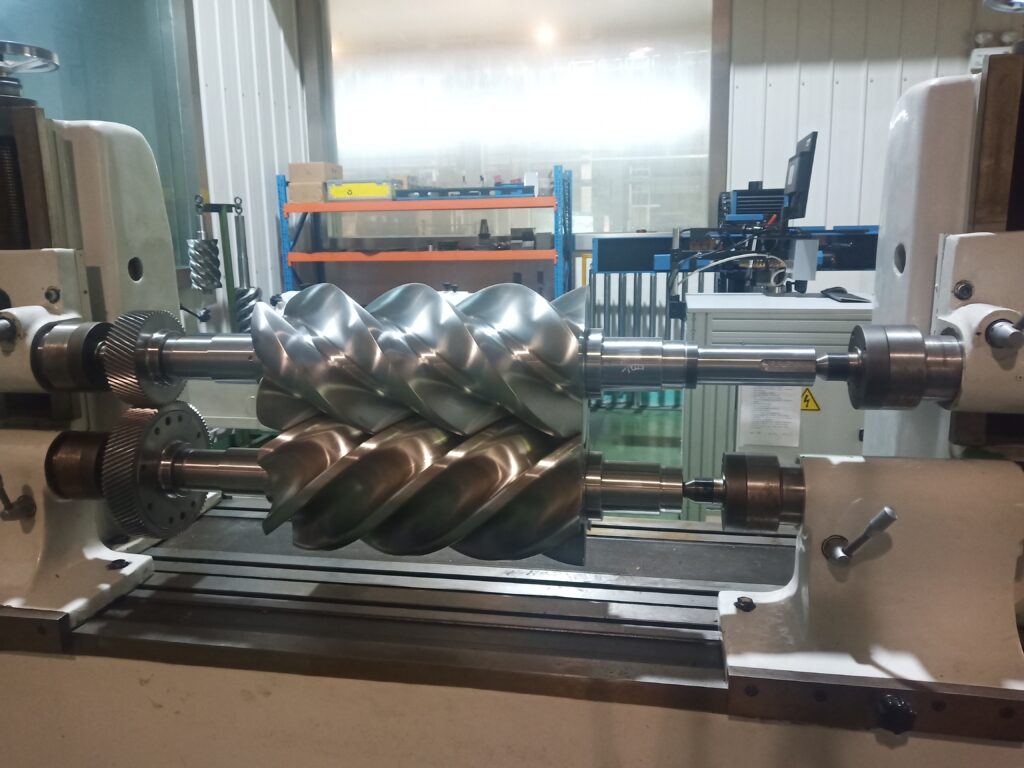
The core of the dry oil-free twin-screw compressor lies in its unique intermeshing screw design. Unlike conventional compressors that require lubricating oil for sealing and cooling, it requires no lubricating oil during compression, achieving absolutely contaminant-free compression of the medium. This feature is critical in VOCs control because it completely avoids oil contamination of the recovered gas, ensuring the purity of subsequent processes and the value of recovered materials.
In VOCs treatment processes, particularly in adsorption concentration, condensation recovery, and other stages, low-concentration, high-volume exhaust gas often needs to be pressurized for efficient separation or liquefaction recovery. Dry oil-free twin-screw technology demonstrates multiple advantages in this regard:
- High reliability: Precision-designed synchronizing gears drive the two screws in non-contact rotation, resulting in minimal wear and long service life.
- Excellent environmental performance: Oil-free operation prevents contamination; the discharged gas is clean, making it particularly suitable for handling organic solvents with recovery value.
- Outstanding energy savings: The internal compression process can be optimized to suit different operating conditions, with high isothermal efficiency, reducing system energy consumption.
- Strong medium adaptability: Capable of handling process gases that are flammable, explosive, corrosive, or contain trace liquid droplets, with high safety.
Key Applications in VOCs Treatment Systems
In a typical “adsorption–desorption–condensation recovery” VOCs treatment process, the dry oil-free twin-screw process gas compressor plays the role of the “heart.” Its application flow is generally as follows:
- Adsorption concentration: Large-volume, low-concentration VOCs exhaust gas passes through adsorption equipment (e.g., activated carbon, zeolite rotor concentrators) and is adsorbed and concentrated.
- Desorption and pressurization: The adsorbent is desorbed with a low-volume hot air stream, producing high-concentration, low-volume desorption gas. At this point, the desorption gas pressure is relatively low and must be pressurized by the dry oil-free twin-screw compressor.
- Condensation recovery: The pressurized high-concentration gas enters a condensation system (e.g., a cryogenic chiller). As the pressure increases, the dew point of the VOCs components rises accordingly, allowing them to be liquefied and recovered at a higher temperature and with lower energy consumption, greatly improving recovery efficiency and reducing refrigeration energy consumption.
This pressurization stage is key to improving the recovery rate and economics of the entire system. Without efficient, clean compression, high-concentration VOCs gas cannot be economically and efficiently condensed and liquefied.
Case Study: Efficiency Improvement in Solvent Recovery in the Chemical Industry
A large domestic coatings manufacturer installed a VOCs control and recovery system at the end of its production line. A conventional scheme was initially adopted, but the recovery rate and operating economics fell short of expectations. After retrofit, a dry oil-free twin-screw process gas compressor was introduced downstream of the desorption gas to pressurize the desorbed high-concentration mixed gas of benzene homologues and esters.
The retrofit achieved significant results:
- Improved recovery rate: Because the condensation temperature requirement after compression was reduced, the system recovery rate increased from approximately 65% to over 92%.
- Lower operating costs: The compressor itself is highly efficient and energy-saving, and it reduces the capacity demand on the cryogenic chiller, cutting overall energy consumption by approximately 30%.
- Product purity assurance: The oil-free design ensures the purity of the recovered solvent, which can be directly reused in production, creating additional economic benefits.
- Simple maintenance: The dry screw structure is simple and maintenance intervals are long, reducing total life-cycle costs.
Conclusion
In summary, dry oil-free twin-screw process gas compression technology is far more than simple gas conveying equipment; it is a core technical unit for achieving efficient recovery, energy saving, and safe operation in modern VOCs treatment processes. With the advancement of the “dual carbon” goals and the deepening of the concept of resource recycling, this technology—characterized by cleanliness, high efficiency, and reliability—will play an irreplaceable role in more fields involving VOCs emissions and recovery, such as petrochemicals, chemicals, coating, and printing, driving industrial environmental protection toward higher quality and greater benefits.