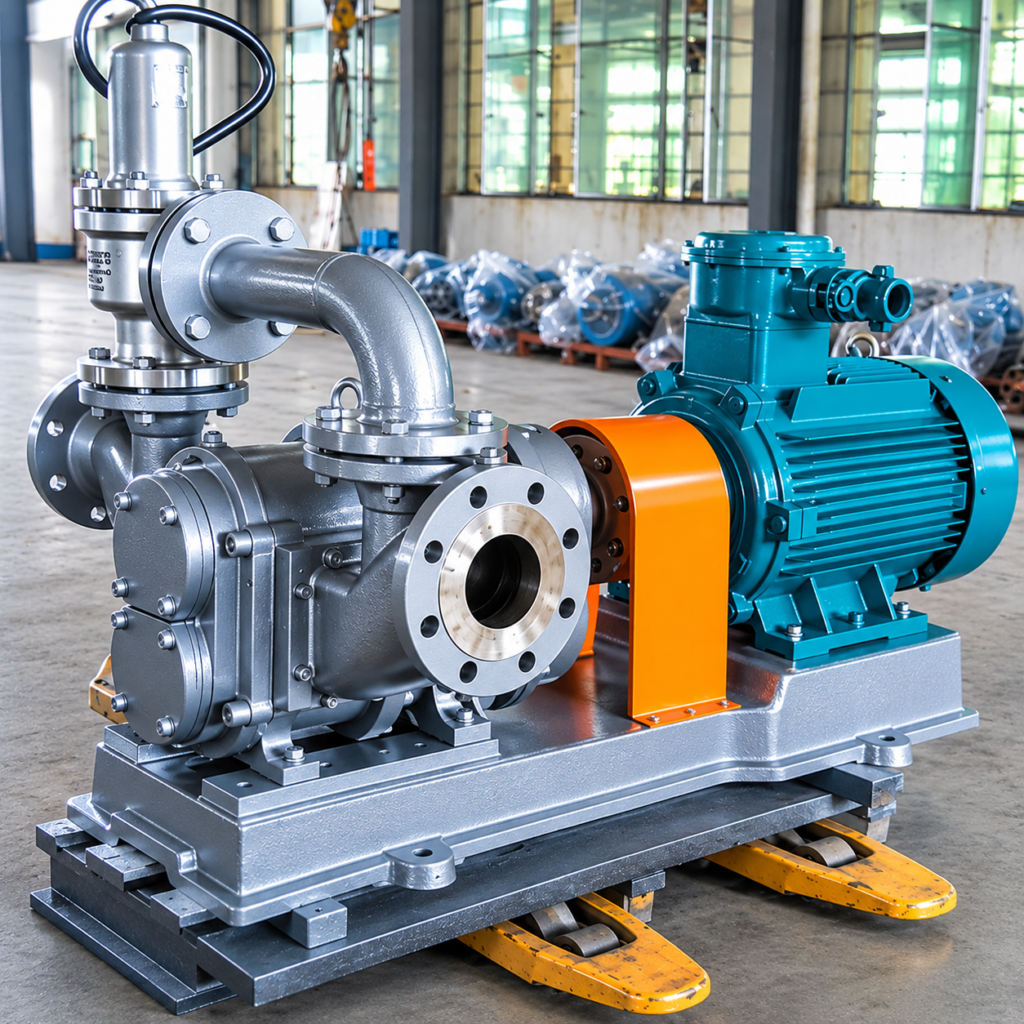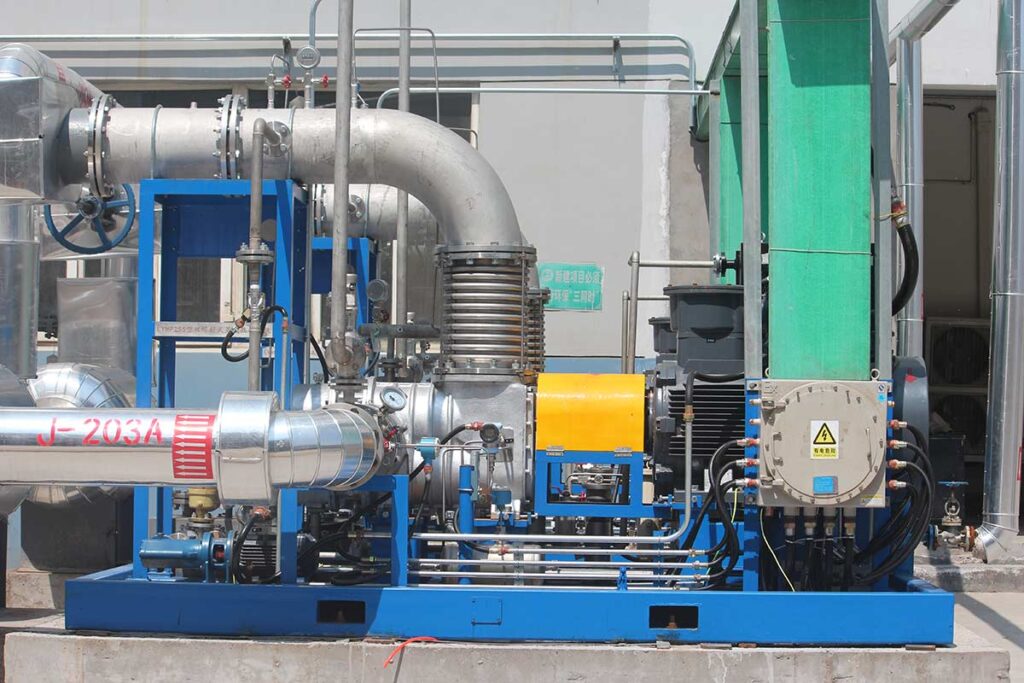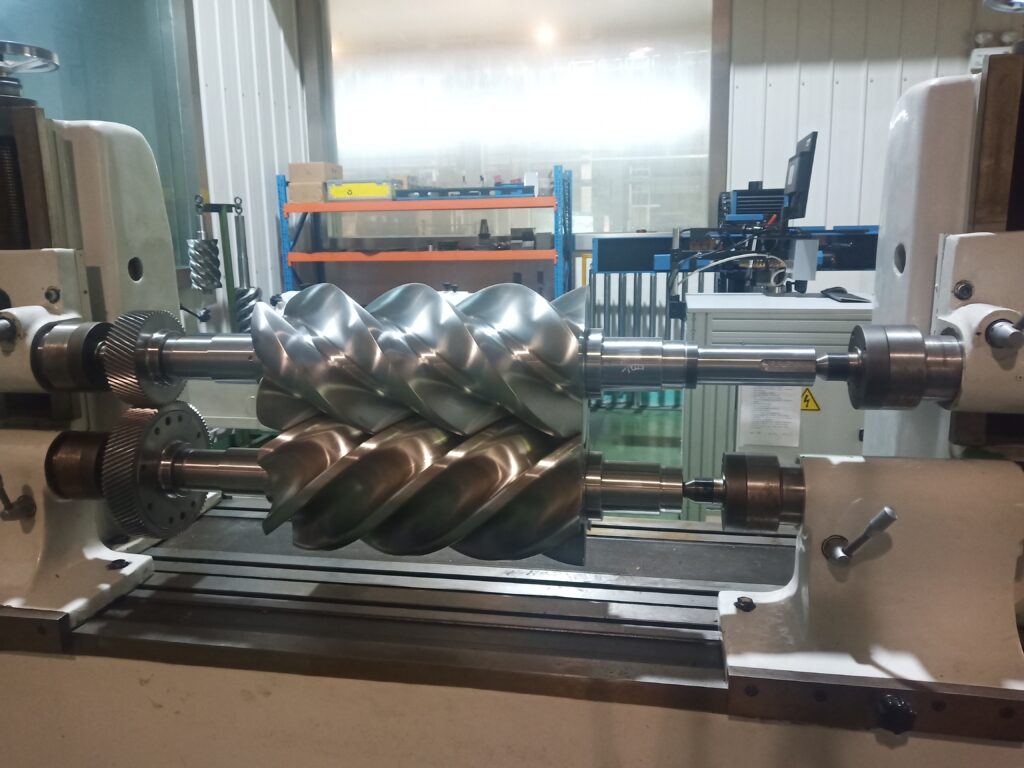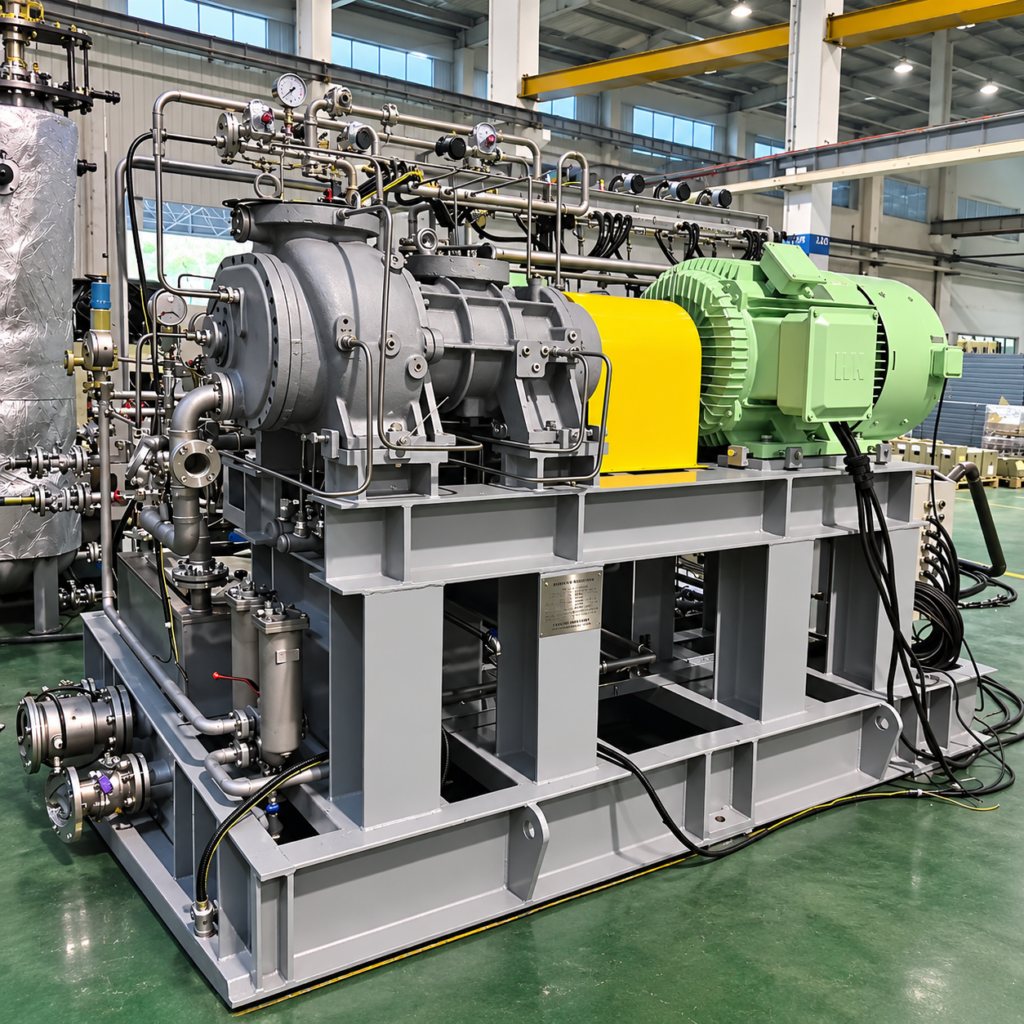
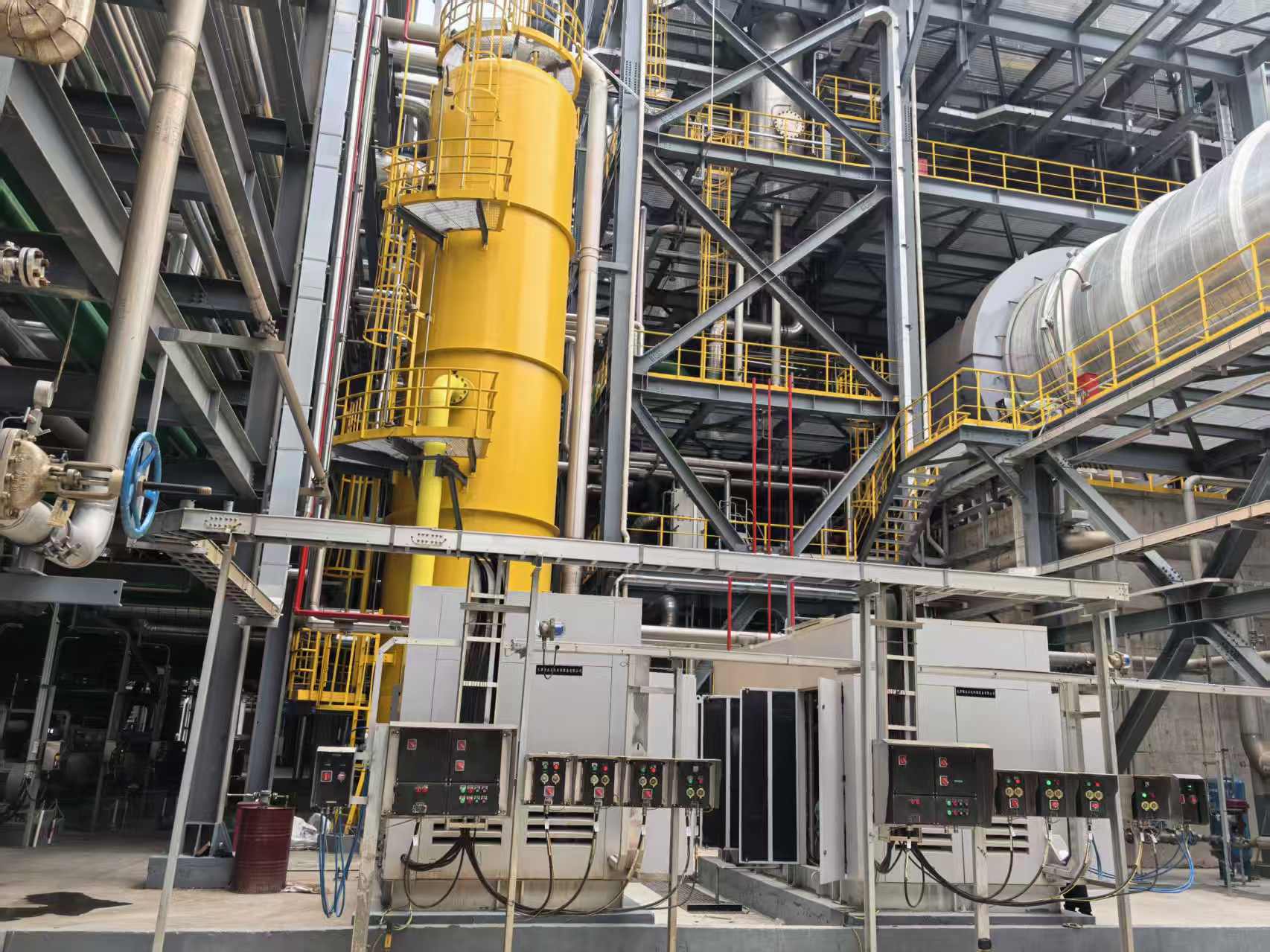
In the modern rubber products industry, the vulcanization process is a key stage that determines the final performance of products. The accuracy of temperature control during vulcanization directly affects the elasticity, strength, and durability of rubber. With increasing demands for energy conservation and precision manufacturing, the twin-screw steam compressor is becoming a revolutionary solution for temperature control systems in this field, reshaping production standards for rubber vulcanization through its high efficiency, stability, and precision.
Precise Temperature Control: The Lifeline of the Vulcanization Process
Rubber vulcanization is essentially a thermal crosslinking reaction that occurs at a specific temperature and pressure. Excessive temperature may cause over-cure, making the product brittle; insufficient temperature may result in under-cure, causing the product's elasticity and strength to fall below requirements. Conventional heating methods often suffer from large temperature fluctuations, slow response, and high energy consumption. The twin-screw steam compressor generates high-temperature steam through mechanical compression, providing a continuous, stable, and easily regulated heat source, thereby fundamentally solving the temperature control challenges of the vulcanization process.
Technical Advantages of the Twin-Screw Steam Compressor
Compared with single-screw designs or conventional boilers, the twin-screw design gives this equipment unique performance advantages. Its core lies in high-efficiency compression and stable output:
- Precise temperature regulation: Through variable frequency drive technology, the compressor speed can be precisely controlled, enabling linear and precise adjustment of the output steam temperature and pressure with a very small error range, meeting the stringent vulcanization temperature requirements of different rubber formulations.
- Outstanding energy efficiency: The twin-screw compressor adopts the principle of continuous compression and features high volumetric efficiency. Compared with conventional electric heating or coal-fired boilers, it can significantly reduce energy consumption, in line with the trend toward green manufacturing.
- Rapid response capability: Mechanical compression enables fast system heating, allowing the system to quickly reach and maintain the set process temperature, shorten the vulcanization cycle, and improve production efficiency.
- Stable and reliable operation: The twin-screw structure provides balanced force loading, low vibration, and uniform wear, ensuring long-term stable operation under continuous production conditions and reducing temperature fluctuations and production interruptions caused by equipment failures.
Practical Application and Benefit Analysis
In the case of a large automotive tire weatherstrip manufacturer, after introducing a twin-screw steam compressor as the vulcanization heat source, the temperature control accuracy of the production line improved by approximately 40%. Previously, due to uneven temperature distribution in the vulcanization autoclave, performance varied considerably between product batches. After application of the new technology, the steam temperature was stably maintained within ±1°C of the set value, resulting in highly consistent rubber vulcanization and a significant increase in the qualified product rate. At the same time, energy costs were reduced by nearly 30% compared with the old system, and the investment payback period was ideal.
In addition, the equipment's intelligent interface can be easily integrated with the plant's distributed control system (DCS) or programmable logic controller (PLC), enabling automated and intelligent management of vulcanization process curves and laying the foundation for building a digital intelligent factory.
In today's pursuit of high quality and sustainable development, applying twin-screw steam compressors to the rubber vulcanization process is not only an upgrade of temperature control means but also a strategic investment in production reliability, energy efficiency, and product consistency. It is helping rubber product enterprises break through process bottlenecks and gain a competitive edge in the fierce market through superior product quality and cost advantages.