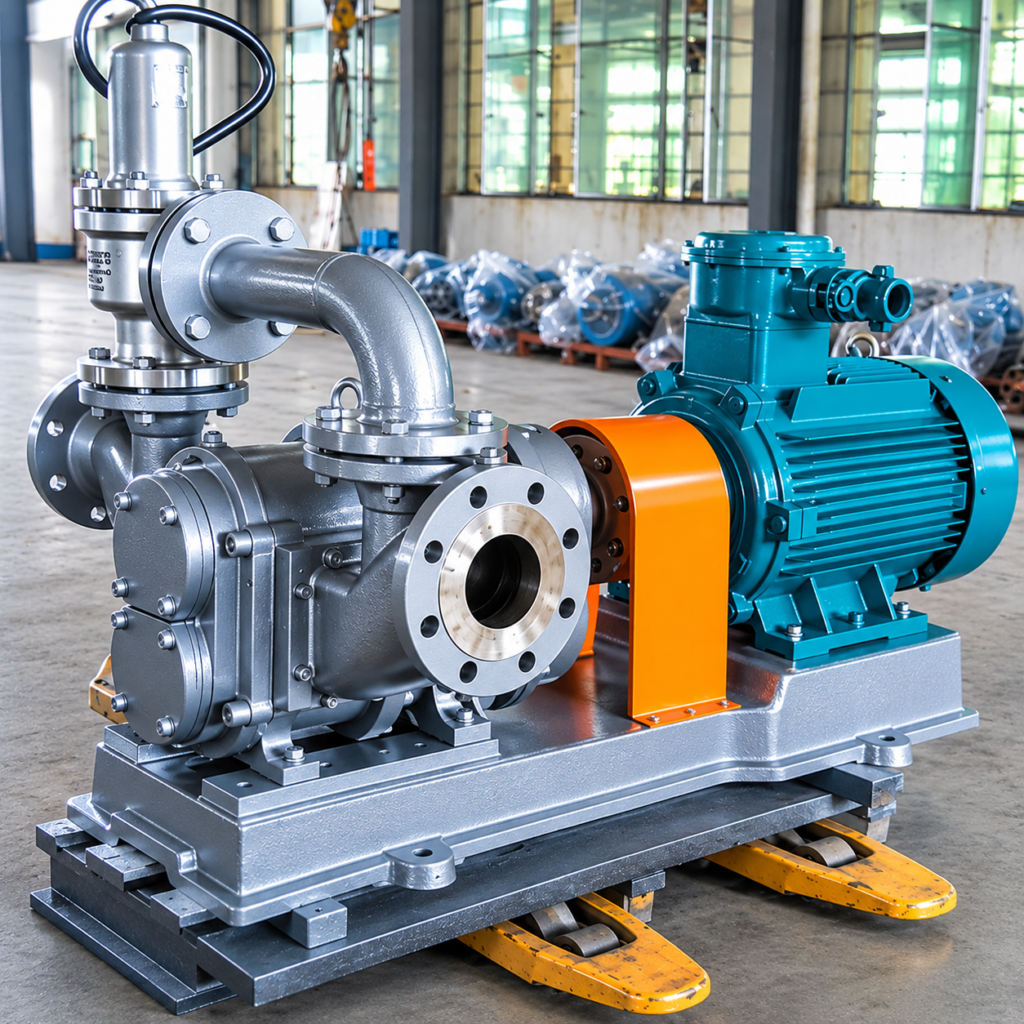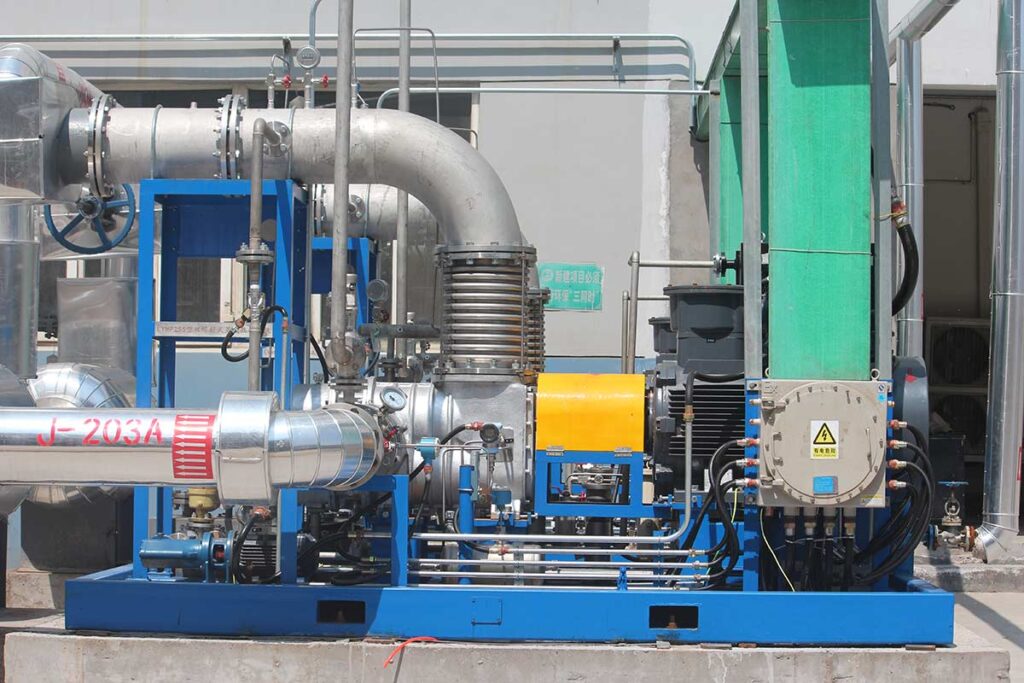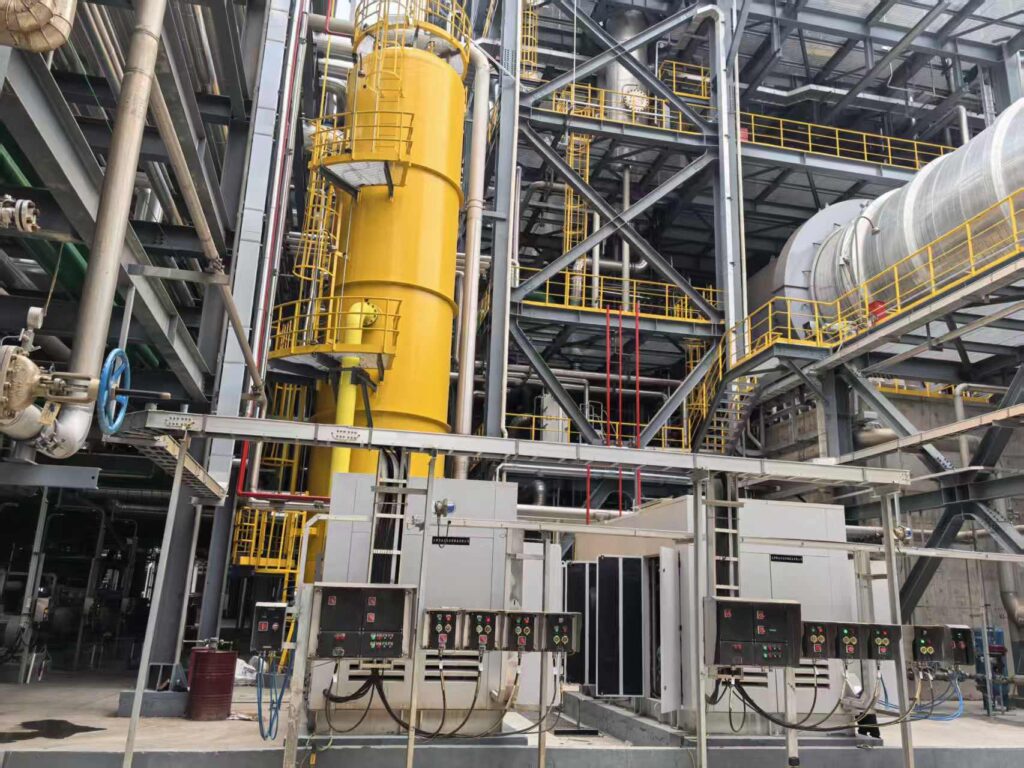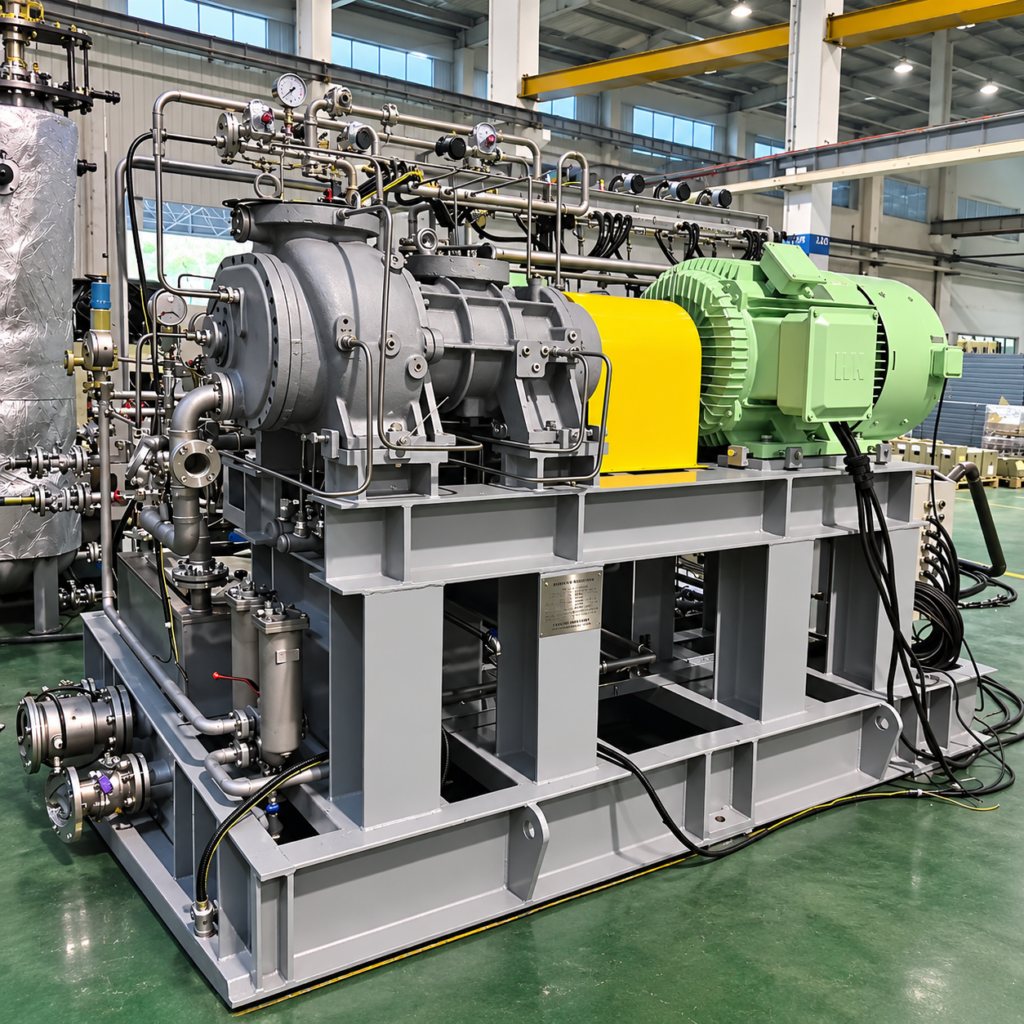
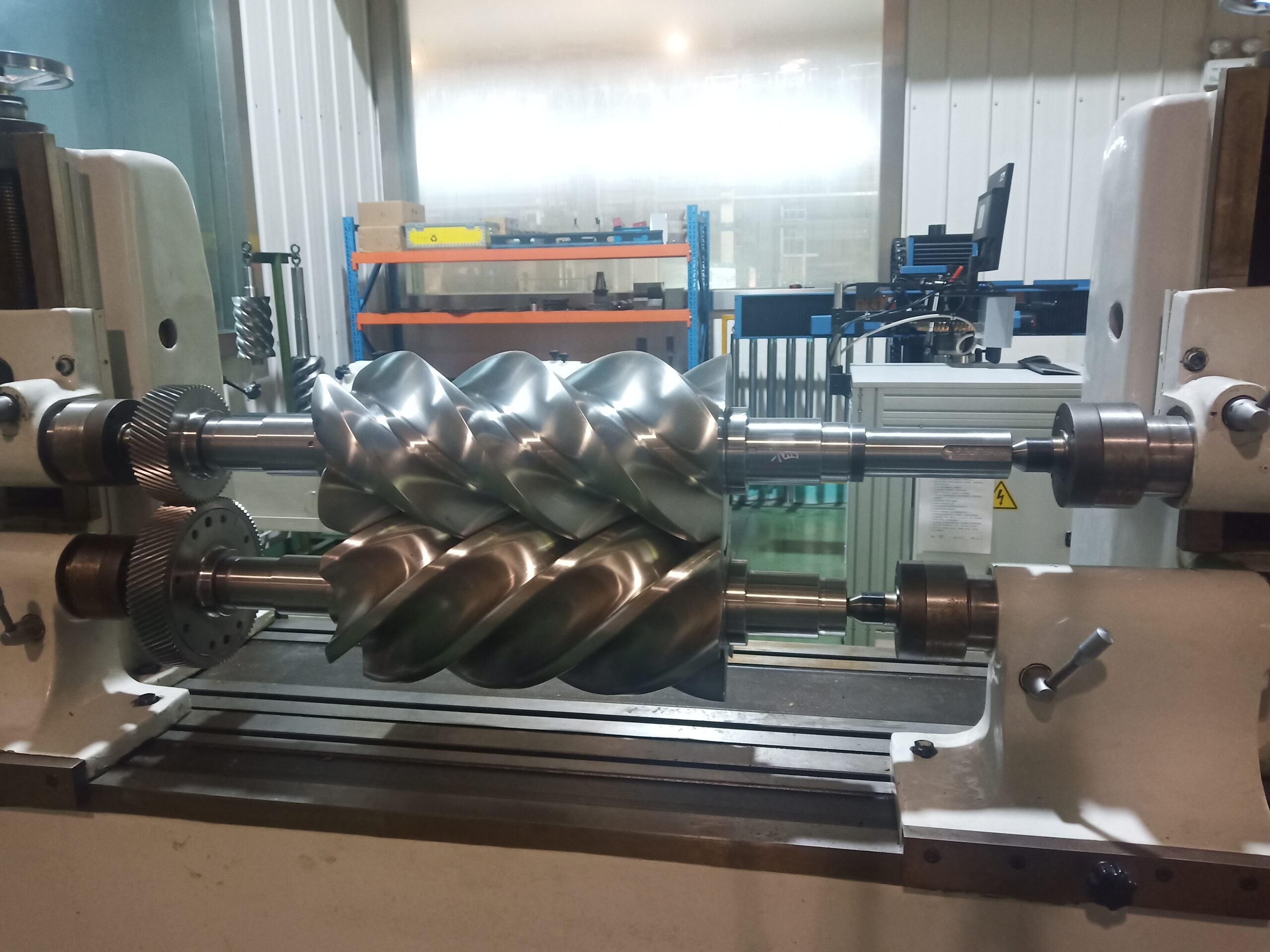
In the field of industrial fluid transfer, twin-screw rotary lobe pumps, with their high efficiency, smooth operation, and low pulsation, have become key equipment in industries such as petrochemicals, food and pharmaceuticals, and shipbuilding. However, as process conditions become increasingly severe—with high temperature, high pressure, strong corrosion, and high wear environments becoming the norm—the performance limitations of conventional materials are becoming increasingly prominent. This report examines how strategic material upgrades for twin-screw rotary lobe pump systems can achieve extended service life, improved efficiency, and optimized overall operating costs, providing a clear path for technological innovation in the industry.
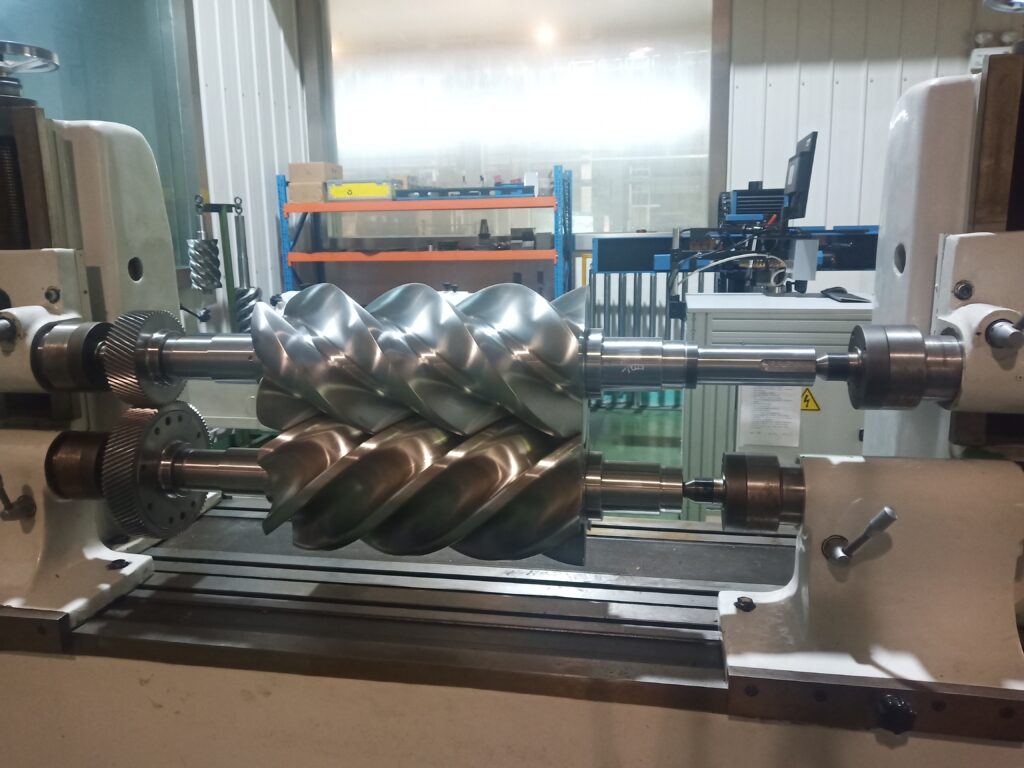
Core Drivers and Objectives of Material Upgrades
Conventional twin-screw rotary lobe pumps are often made of cast iron, ordinary stainless steel, and similar materials, which perform stably under normal operating conditions. However, when handling media containing solid particles, high-concentration acids and alkalis, or high-temperature heat transfer media, wear and corrosion problems in the rotors, pump casing, and timing gears deteriorate rapidly, leading to increased clearance, reduced efficiency, higher leakage risk, and even unplanned downtime. Therefore, the core objectives of this upgrade are to improve the wear resistance, corrosion resistance, and high-temperature strength of key components, thereby ensuring long-term stable operation of the pump system under extreme operating conditions and reducing life cycle maintenance costs.
Material Upgrade Strategies for Key Components
Rotors and Pump Casing: From General-Purpose to Specialized Materials
- Conventional limitations: Although 304/316 stainless steel offers a certain degree of corrosion resistance, it is prone to pitting corrosion and stress corrosion cracking in chloride-containing environments, and its hardness is relatively insufficient.
- Upgrade solution: Use duplex stainless steel (such as 2205 or 2507) or super austenitic stainless steel (such as 254 SMO). These materials combine excellent chloride corrosion resistance with higher mechanical strength. For conditions involving extremely severe wear, tungsten carbide (WC) or ceramic coatings can be applied to the rotor surfaces, achieving hardness of over HRC 70 and increasing wear resistance severalfold.
Timing Gears: Balancing Precision and Strength
Gears are essential for ensuring precise synchronization of the two rotors and preventing contact. The upgrade direction is to select high-strength alloy carburizing steel (such as 20CrMnTiH). After carburizing and quenching, the tooth surfaces achieve high hardness and wear resistance while the core retains good toughness. For applications requiring oil-free lubrication or corrosion resistance, high-performance engineering plastics (such as PEEK) or special stainless steel gears can be used.
Shaft Seals and Bearings: The Last Line of Defense for Reliability
Material upgrades must be matched to the system. The friction pair of mechanical seals can be upgraded to silicon carbide against silicon carbide or cemented carbide combinations, which offer good thermal conductivity and high chemical inertness. Depending on load and speed, bearings can be selected as hybrid ceramic bearings or specially coated bearings to cope with poor lubrication or corrosive environments.
Case Study: Successful Practice in the Chemical Industry
At a large domestic chemical plant, the twin-screw rotary lobe pumps in the raw material transfer section were originally made of 316L stainless steel and used to transfer organic solvents containing trace solid particles and chloride ions. After approximately 8,000 hours of operation, obvious wear appeared on the rotor profiles, volumetric efficiency dropped by 15%, and corrosion spots appeared on the pump casing.
Upgrade solution: The pump casing and rotor materials were changed to corrosion-resistant and wear-resistant duplex steel 2507, and the rotor surfaces were treated with a high-velocity oxygen fuel (HVOF) sprayed tungsten carbide coating. The timing gears were upgraded to high-performance gear steel subjected to vacuum carburizing.
Implementation results: After the upgrade, the pump has operated continuously for more than 20,000 hours, with efficiency degradation controlled within 3% and no signs of corrosion. Although the initial investment increased by approximately 40%, two major overhauls and associated downtime losses were avoided. The estimated payback period is less than two years, with significant overall benefits.
Material upgrading of twin-screw rotary lobe pump systems is not a simple material substitution but a systems engineering task based on specific operating conditions, failure analysis, and life cycle cost considerations. Through the targeted selection of duplex steels, special coatings, high-performance engineering materials, and other options, the adaptability of equipment to harsh operating conditions can be fundamentally improved. In the future, with advances in materials science and the application of additive manufacturing technology, customized and functionally graded composite material components will provide broader upgrade space for twin-screw rotary lobe pumps, continuously driving the fluid handling industry toward higher efficiency, greater reliability, and greater intelligence.